

-
How and When to Make Plastic Prototypes
In almost every instance of product development, no matter what industry it applies to, prototyping is a necessary stage that will ultimately determine the success of your production efforts. The rise of rapid prototyping has made it easy and affordable to quickly iterate plastic prototypes. However, there is a range of manufacturing technologies capable of producing plastic prototypes, and knowing which one you should use will optimize the entire product development process.

-
Casting properties of metals and 3 important factors that affect them
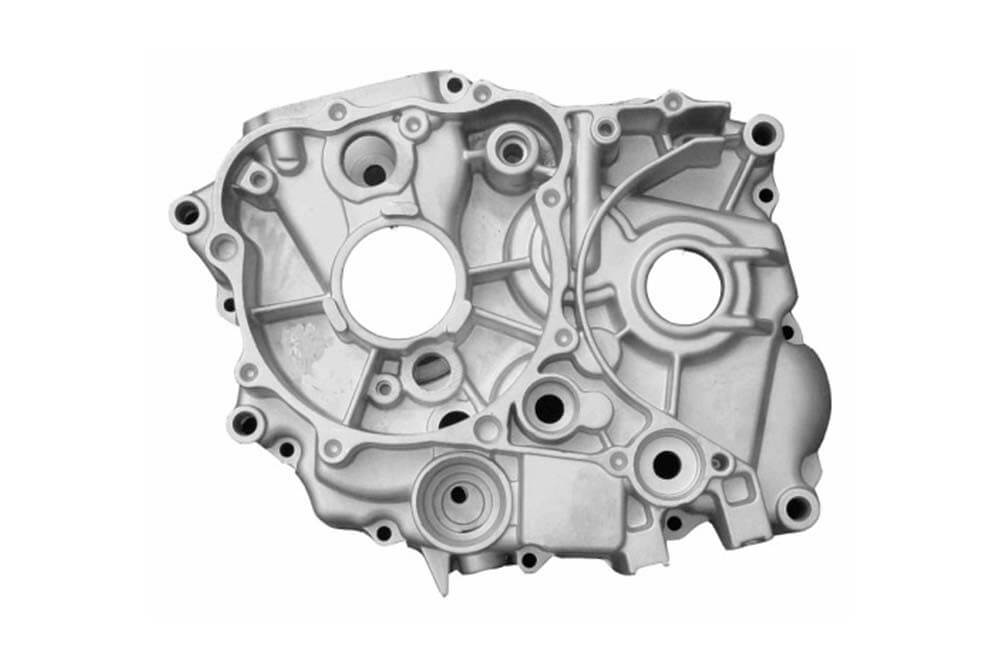
Humans have been casting metals for thousands of years, from cast iron and bronze tools to gold and silver jewelry. In modern times, metal casting still plays an important role in human industry and art. Custom Machining Inc is one company with metallurgical capabilities. Before the “raw materials” such as ingots, bars or plates can be processed, the metal must be melted and cast upstream in the supply chain.
-
3 Lightweight Metals and Their Key Benefits
Steel is the most widely used metal in the world today, offering a balance of material properties and low cost. However, when steel, with a density of 7.8g/cm³, is too heavy for an application, product designers must turn to one of the lighter materials available. While there are many plastics that can reduce the load, lightweight metals are a popular and sturdy choice
-
Titanium and Aluminum: Which Lightweight Metal is Best for Your Project?
When it comes to machining lightweight metals, two common materials come to mind: titanium and aluminum. These two metals are widely used across industries for their strength-to-weight ratio, corrosion resistance, and fabrication capabilities. Engineers may have questions about the applications of these materials, such as, “Is titanium lighter than aluminum?” or “Is titanium stronger than aluminum?” To help you decide which metal is best for your next machining project, here is an overview of th
-
Cast Iron and Steel: What Are Their Advantages and Disadvantages?
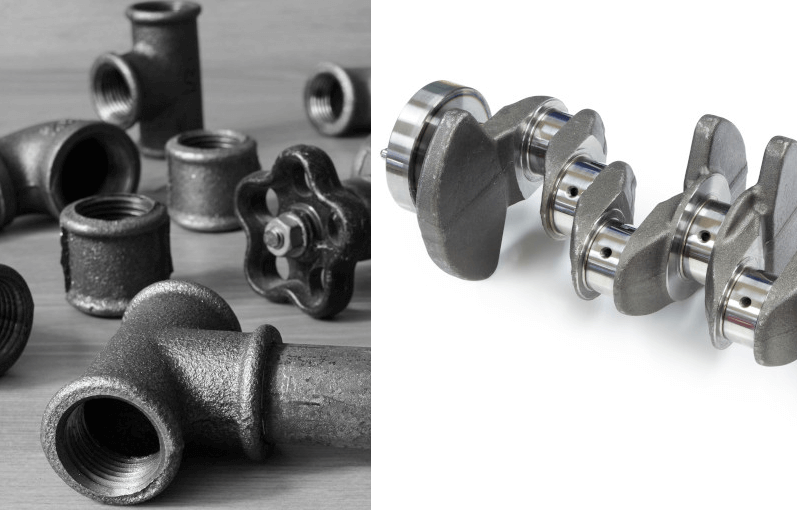
Steel and cast iron are both common metals, but their uses are very different. The key factor that distinguishes the two is how much carbon they each contain, and to a lesser extent, silicon. While this may seem like a subtle distinction, it has a significant impact on the properties and uses of cast iron and steel. This article explains the unique features of cast iron and steel to help you decide which metal is the right choice for your next casting project.
-
5 Important Design Considerations for CNC Turned Parts
CNC (Computer Numerical Control) machines are used to create turned parts with extreme precision. These machines are programmed to follow a set of instructions that tell them how to cut and shape the material. This process ensures that each part is exactly the same as the one before it, which is critical for precision engineering applications.







Contact Us
E-mail: sales@huilong-machining.com
Address:No.102, Building C, Tuhu Baiyun Industrial Avenue, Freshwater Street, Huiyang District, Huizhou City, Guangdong Province, China
Copyright @ Huizhou Huilong Hardware Machinery Co., LTD Rights Reserved sitemap
