

-
What are Die Casting Parts?
Die casting is a popular manufacturing process that has revolutionized the way complex metal parts are produced. It provides a cost-effective solution for manufacturing high-quality components with accuracy and repeatability. In this blog post, we will explore what die casting parts are, how the process works, and why it is widely used across industries.

-
Machining stainless steel: challenges and tips
Stainless steel is one of the metals used for CNC machining because of its incredible versatility. It can be used in a variety of industries, including automotive, consumer products, medical, and aerospace. The versatility of stainless steel stems from its many benefits, from corrosion resistance to durability. However, not all types of stainless steel are easy to machine. There can be challenges when machining stainless steel.
-
Choosing the Right Alloy: Anodized vs. Standard Aluminum Profiles
Many industries use aluminum for different applications due to its lightness, durability, and resistance to rust. To talk about aluminum profiles, it is important to distinguish between anodized profiles and standard profiles. This difference is very important, and the choice of alloy for aluminum anodizing is crucial to achieve the desired results in different applications.
-
CNC machining aluminum parts: Detailed process of CNC machining aluminum parts
Aluminum is the most widely used and widely used metal material among non-ferrous metals, and its application range is still expanding. There are more than 700,000 kinds of aluminum parts produced using aluminum materials. Today, I will introduce to you the process flow of CNC processing aluminum parts and how to avoid CNC processing deformation.
-
CNC Milling Parts: What Factors Cause Deformation?
Considerations for CNC Milling PartsCNC milling is a high-precision, high-effici
-
A Comprehensive Guide to CNC Turning
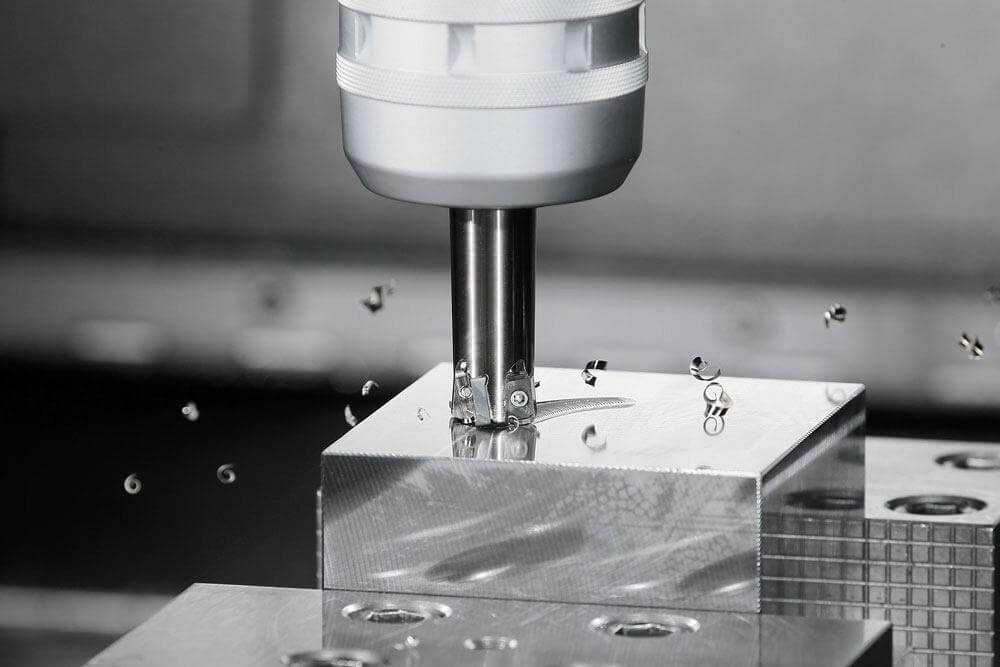
CNC turning services offer a variety of techniques for manufacturing cylindrical parts made from a variety of materials. Chatter in machining is also normal. Unlike CNC milling, CNC turning rotates the workpiece and inserts a stationary tool into the workpiece. Advanced CNC turning centers produce highly complex parts by adding milling capabilities to the machine, as shown in the figure:






Contact Us
E-mail: sales@huilong-machining.com
Address:No.102, Building C, Tuhu Baiyun Industrial Avenue, Freshwater Street, Huiyang District, Huizhou City, Guangdong Province, China
Copyright @ Huizhou Huilong Hardware Machinery Co., LTD Rights Reserved sitemap
